
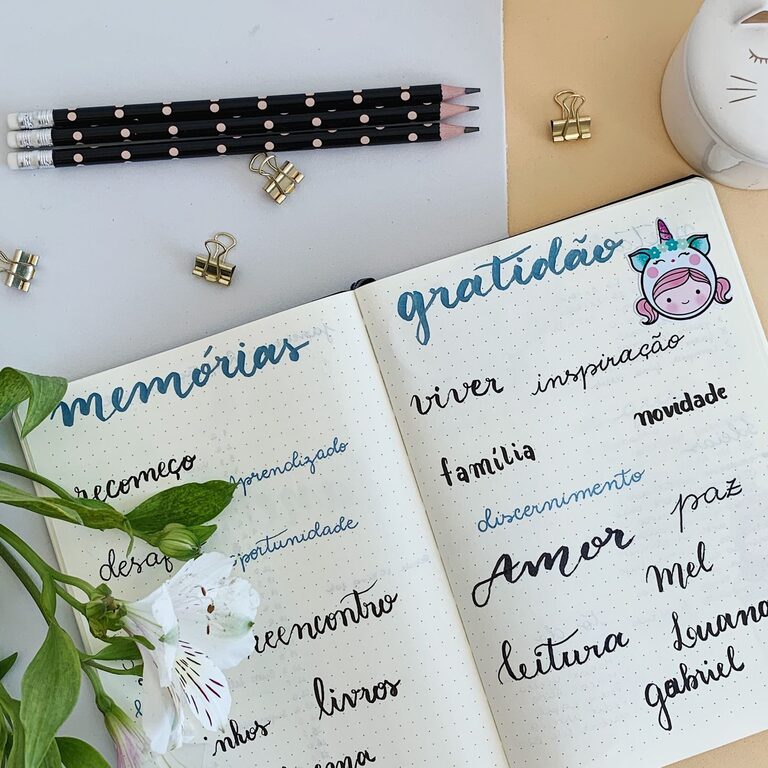
Gratitude journaling is a wonderful practice that can help you focus on the positive aspects of your life, boost happiness, and improve mental well-being. Starting a gratitude journal doesn’t require much time or special tools, but it can have a meaningful impact on how you see the world. If you’re new to this practice, this guide will walk you through how to start a gratitude journal and maintain it in a way that feels natural and uplifting.
What Is a Gratitude Journal?
A gratitude journal is a personal diary where you regularly write down things you are thankful for. These can be big or small—anything that brings you a sense of appreciation or joy. The goal is to cultivate a habit of noticing and reflecting on positive moments, which can improve your outlook and reduce stress.
Benefits of Keeping a Gratitude Journal
– Improves mood: Focusing on gratitude helps shift attention away from negative thoughts.
– Encourages mindfulness: Writing daily encourages you to be present and aware.
– Strengthens relationships: Recognizing kindness and support from others fosters connection.
– Promotes better sleep: Reflecting on positive experiences before bed can lead to more restful sleep.
– Boosts resilience: Gratitude helps you cope better with challenges and setbacks.
Getting Started: What You Need
Starting a gratitude journal is simple and doesn’t require special materials. Here’s what you’ll need:
– A notebook or journal that you like
– A pen or pencil
– A quiet space and a few minutes each day
Many people prefer a physical notebook because writing by hand can feel more personal and reflective. However, digital journaling apps or simple notes on your phone also work well if they suit your lifestyle better.
How to Start Your Gratitude Journal
Step 1: Choose Your Time and Place
Pick a consistent time each day to write in your journal. Some prefer mornings to set a positive tone for the day, while others like evenings to reflect on the day’s moments. Choose a quiet, comfortable space where you can focus without distractions.
Step 2: Decide How Much to Write
Start small to build the habit. Writing three things you are grateful for daily is a common and manageable approach. These can be simple and brief—no need to write long paragraphs unless you want to.
Step 3: Be Specific and Personal
Try to be as specific as possible when listing your gratitude items. Instead of writing “I’m grateful for my friends,” you might write, “I’m grateful for the phone call I had with Sarah today.” Specificity helps make the gratitude more meaningful.
Step 4: Reflect on Why You Feel Grateful
Take a moment to think about why the item you wrote down makes you feel thankful. This deeper reflection enhances the positive impact of the exercise.
Step 5: Include a Variety of Gratitude Items
Mix up your entries to keep the practice fresh. Gratitude can be about people, experiences, achievements, nature, or even small daily comforts like a warm cup of tea.
Tips for Maintaining Your Gratitude Journal
– Keep it accessible: Store your journal where you can easily find it each day.
– Set reminders: Use phone alerts or calendar events to remind you to write.
– Be honest: Write what truly feels meaningful to you.
– Don’t stress about perfection: Missed days or short entries are okay.
– Review your journal: Once in a while, read back through your entries to appreciate how much you have to be thankful for.
Ideas to Enrich Your Gratitude Practice
– Write a gratitude letter to someone who has made a difference in your life.
– Add drawings or photos that represent things you appreciate.
– Pair journaling with meditation or deep breathing.
– Share your gratitude thoughts with a friend or family member.
Common Challenges and How to Overcome Them
Challenge: Forgetting to journal daily
Solution: Set a consistent routine and reminders, and keep your journal in a visible place.
Challenge: Feeling like there’s nothing to be grateful for
Solution: Start small—consider simple pleasures like fresh air, a smile, or a favorite song.
Challenge: Losing motivation over time
Solution: Experiment with different journaling styles, such as writing lists, stories, or gratitude poems.
Final Thoughts
Starting a gratitude journal is a simple yet powerful way to invite more positivity and mindfulness into your life. The key is consistency and a genuine approach to recognizing the good, no matter how small. Over time, you may find yourself naturally appreciating more of the world around you, leading to increased happiness and resilience.
So grab a notebook, take a few quiet minutes today, and begin your gratitude journey—one thankful thought at a time.