
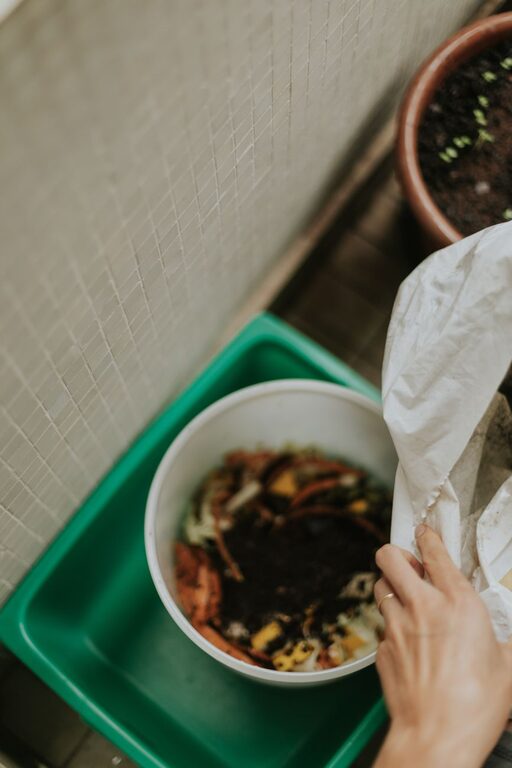
Reducing food waste at home is an easy and impactful way to save money, conserve resources, and help the environment. Many households discard sizable amounts of food simply because of poor planning or lack of awareness. By adopting a few practical habits, you can significantly cut down on what gets thrown away. Here are some straightforward, effective ways to reduce food waste in your home.
Understand Why Food Gets Wasted
Before diving into solutions, it’s helpful to recognize the common reasons food ends up in the trash:
– Overbuying grocery items
– Forgetting food in the fridge or pantry
– Improper food storage causing spoilage
– Cooking too much or unplanned leftovers
– Confusion over expiration dates
Knowing these causes can guide you on where to focus your efforts.
Plan Your Meals and Shop Smart
A key step to reducing food waste is planning your meals in advance. This allows you to buy only what you need.
– Create a weekly meal plan: Decide meals for the week based on what you already have at home. This reduces impulse purchases.
– Make a shopping list: Stick to your list to avoid buying unnecessary items or duplicates.
– Buy loose produce: Instead of pre-packaged fruits or vegetables, buy just the amount you need.
– Shop more frequently and in smaller amounts: If possible, shop a few times a week rather than buying everything at once. This helps buy fresher items and prevents spoilage.
Store Food Properly
Proper storage can extend the life of your food and keep it fresh longer.
Refrigeration Tips
– Keep fruits and vegetables in the crisper drawer with adequate humidity.
– Store herbs by placing their stems in water, covered with a plastic bag.
– Keep leftovers in clear containers so you can easily see what you have.
– Avoid washing produce before storing unless you plan to eat it soon, as moisture can speed spoilage.
Pantry Organization
– Store dry goods in airtight containers to prevent pests and moisture.
– Keep older products in front so they get used first.
– Check expiration dates regularly and use items that are near those dates.
Practice Portion Control
Cooking and serving the right portion sizes help prevent uneaten food.
– Use measuring cups or scales to prepare accurate servings.
– When eating out or ordering takeout, consider sharing large portions.
– Save leftovers immediately in smaller containers to encourage eating them later.
Get Creative with Leftovers
Leftovers don’t have to be boring or wasted. Here are some ideas:
– Use vegetable scraps to make homemade broth.
– Turn stale bread into croutons or bread crumbs.
– Combine leftover meats and vegetables in soups, stews, or salads.
– Freeze leftovers in portion-sized containers for quick future meals.
Understand Food Labels
Expiration dates can be confusing. Here’s what they commonly mean:
– “Use by” or “Best before” dates: Indicate peak quality, not safety. Food might still be good after these dates if stored properly.
– “Sell by” date: Used by retailers for inventory purposes, not an indicator of spoilage.
Use your senses (smell, look, taste) to decide if food is still good rather than relying solely on dates.
Compost Food Scraps
Not all food waste can be avoided, but composting helps reduce the amount sent to landfills.
– Compost fruit and vegetable scraps, coffee grounds, eggshells, and other organic waste.
– Avoid composting meat, dairy, or oily foods as they can attract pests.
– Use a kitchen compost bin or a backyard compost pile, depending on what suits your lifestyle.
Educate and Involve Your Family
Reducing food waste is easier and more effective when everyone in the household participates.
– Share your meal plans and shopping lists with family members.
– Teach kids about the importance of saving food.
– Encourage everyone to serve themselves only the amount they can finish.
– Get feedback on favorite leftover recipes to keep meals enjoyable.
Conclusion
Reducing food waste at home doesn’t require dramatic changes—just small, consistent habits. By planning wisely, storing food properly, cooking the right portions, and making use of leftovers, you’ll save money and help the planet. Every effort counts, and starting today can lead to a more sustainable and mindful kitchen.
Try implementing some of these strategies and watch how they make a difference in your home and beyond.